


Steel Roof Installation Guide for Niagara Homes
A steel roof is not simply a new layer of metal over an old problem. It is a long-term roofing system that depends on correct measurements, sound decking, proper ventilation, and careful detailing at every edge and opening. This steel roof installation guide explains what Niagara homeowners and property managers should expect before work starts, during installation, and after the crew leaves the site.
Steel roofing can be an excellent fit for homes, rental properties, agricultural buildings, and select commercial projects. It handles wind well, sheds rain and snow efficiently, and offers a clean, durable finish. But the final result depends on more than the panels themselves. A trusted brand, a qualified installer, and a clear plan for your specific roof all matter.
Start With the Roof You Have
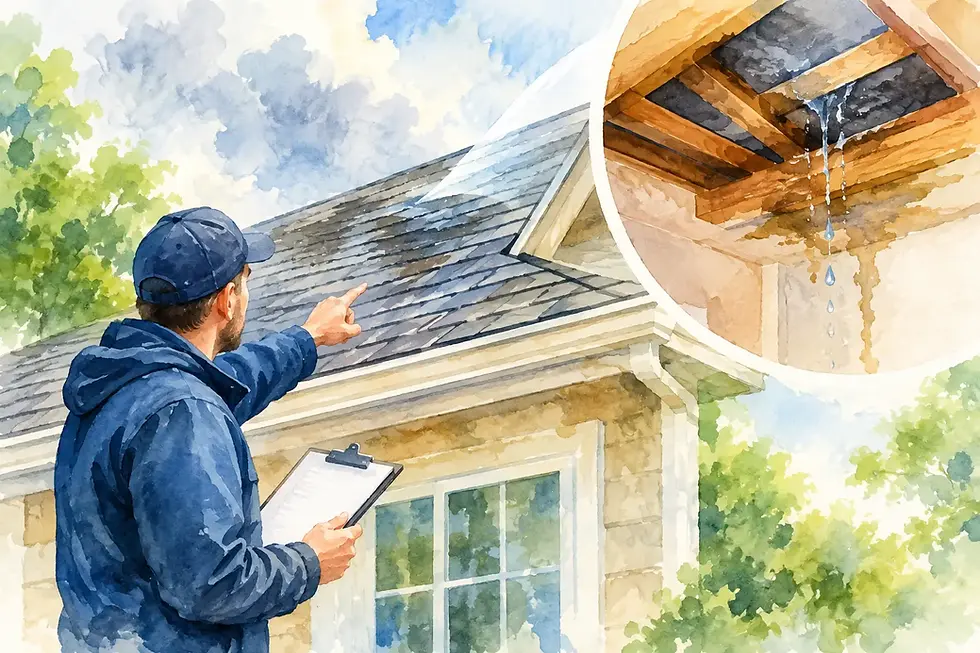
A professional steel roof installation begins with an assessment, not a delivery truck. The contractor should inspect the roof slope, valleys, chimneys, skylights, plumbing vents, eaves, existing flashing, and condition of the roof deck. On an older Niagara home, these details often reveal issues that are not visible from the ground, including soft plywood, past leak damage, inadequate ventilation, or failing chimney flashing.
The roof’s shape affects labour, material use, and price. A simple gable roof is generally more straightforward than a roof with multiple valleys, dormers, low transitions, or several penetrations. Steel performs well on many roof designs, but complex sections require more custom cutting and flashing work. A detailed estimate should explain that scope clearly rather than treating every roof as a standard square-foot calculation.
For property owners comparing materials, steel usually carries a higher upfront cost than basic asphalt shingles. The trade-off is service life, reduced maintenance needs, strong weather resistance, and the potential to avoid another full replacement as soon as would be expected with lower-cost materials. The right choice depends on your budget, how long you plan to own the property, and the condition of the roof underneath.
Choosing the Right Steel Roofing System
Not all steel roofs look or install the same way. Standing-seam panels create long, clean lines with concealed fasteners and are often chosen for their modern appearance and strong water-shedding design. Exposed-fastener panels are a practical option for some garages, agricultural buildings, and budget-focused projects. Steel shingles or stone-coated profiles can offer a more traditional residential look.
Panel profile is only one decision. Homeowners should also consider steel thickness, coating quality, colour, trim options, and the manufacturer’s warranty. A darker colour may suit the property beautifully, but it can show dust or pollen more readily than a lighter finish. A textured profile may provide a different visual effect, while a smoother panel can create a sharper contemporary appearance.
In Niagara, snow management deserves a conversation early in the process. Steel roofing sheds snow more easily than many other materials. That is an advantage, but it may also mean snow guards are needed above entrances, walkways, decks, mechanical equipment, or lower roof sections. The goal is to control where snow releases, not just admire how quickly it slides.
Steel Roof Installation Guide: The Essential Steps
Every project has its own requirements, but a properly managed installation generally follows a clear sequence. The first step is protecting the property. Crews should safeguard landscaping, siding, windows, decks, and access areas as practical for the site. Materials are staged safely, and the work area should be kept organized throughout the project.
The existing roof material may be removed, or a steel system may be installed over an approved existing roof assembly when local conditions, building requirements, and manufacturer instructions allow it. Removal provides the clearest view of the decking and makes it easier to address hidden concerns. Installing over an existing roof can sometimes reduce disposal costs, but it is not automatically the right choice. Added layers can conceal problems or create installation limitations.
Decking and moisture protection
Once the roof deck is exposed, the installer checks for damaged or deteriorated wood. Any weak sections should be repaired before the new roofing goes on. Steel panels are durable, but they cannot compensate for an unstable or rotting substrate.
Next comes the underlayment and waterproofing details. Ice and water protection is especially important around eaves, valleys, roof penetrations, and other vulnerable areas where wind-driven rain or freeze-thaw cycles can challenge the roof. The exact materials and placement depend on the roof design and the specified system, but this layer is central to long-term leak prevention.
Flashing, ventilation, and panel installation
Flashing work is where experienced roofing crews earn their value. Chimneys, skylights, sidewalls, valleys, vents, and roof-to-wall transitions all need properly formed and integrated flashing. A steel panel can look perfect from the street while a poorly detailed chimney or skylight allows water behind the system.
Ventilation must also be considered as part of the whole roof assembly. Poor attic ventilation can contribute to moisture buildup, heat retention, ice damming, and premature wear in surrounding materials. A contractor should assess whether soffit intake, ridge ventilation, or other venting components need improvement before closing up the project.
Panels are then installed according to the selected system’s layout and fastening requirements. Proper alignment matters. So does fastening in the correct location, using the correct hardware, and allowing for normal expansion and contraction caused by temperature changes. Panels should be straight, secure, and finished with trim that protects exposed edges while giving the roof a clean appearance.
What Can Affect Cost and Schedule?
Steel roofing estimates vary because roofs vary. Material type, roof size, slope, access, tear-off requirements, deck repairs, insulation or ventilation upgrades, skylights, chimney work, and custom flashing can all affect the final scope. If a quote seems unusually low, ask what is included for underlayment, flashing, disposal, deck repairs, and trim. Those details can make a major difference in both price and performance.
Weather also affects scheduling. Roofing crews can work in many conditions, but rain, high winds, unsafe temperatures, or snow may delay certain stages. A dependable contractor will communicate clearly rather than rush an installation when conditions could compromise safety or workmanship.
For landlords and commercial decision-makers, planning access is equally important. Tenants, deliveries, parking, HVAC equipment, business hours, and safety requirements should be discussed before work begins. A project with clear site coordination is less disruptive and easier to manage.
Questions to Ask Before You Approve the Quote
Before choosing a roofing contractor, ask whether they are licensed and insured, what steel system they recommend for your property, and how they handle roof-deck repairs found during the project. You should also ask who will oversee the work, what workmanship warranty is included, and how the crew will protect your property during tear-off and cleanup.
A written estimate should be specific enough to help you compare proposals fairly. It should identify the roofing material, underlayment approach, flashing work, trim, removal and disposal, and any known repairs. If financing is important for an unexpected replacement, ask about options before the schedule is set.
At Pro.Found Roofing, the owner and founder visits every job site to oversee workmanship and customer satisfaction. That direct accountability matters when a roof has complex flashing, hidden repairs, or questions that need a quick answer on site.
After Installation: Protect the Investment
A steel roof needs less routine attention than many roofing materials, but it is not maintenance-free. Check the roof from the ground after major storms, especially around vents, chimneys, and eaves. Keep gutters clear so water can drain properly, and trim branches that could scrape panels or deposit heavy debris.
Do not walk on a steel roof unless it is necessary and safe to do so. Foot traffic can damage finishes, distort panels, or create a safety risk. If you notice a leak, loose trim, damaged flashing, or unusual movement after severe wind, arrange a professional inspection promptly. Small repairs are easier and more affordable when handled early.
A well-installed steel roof should make property ownership feel simpler, not more complicated. Start with a detailed inspection, insist on clear scope and workmanship protection, and choose a local contractor prepared to stand behind the work. Get a free quote today and make the next step toward a durable Niagara roof straightforward.


Comments