


7 Skylight Leak Causes Niagara Owners Should Check
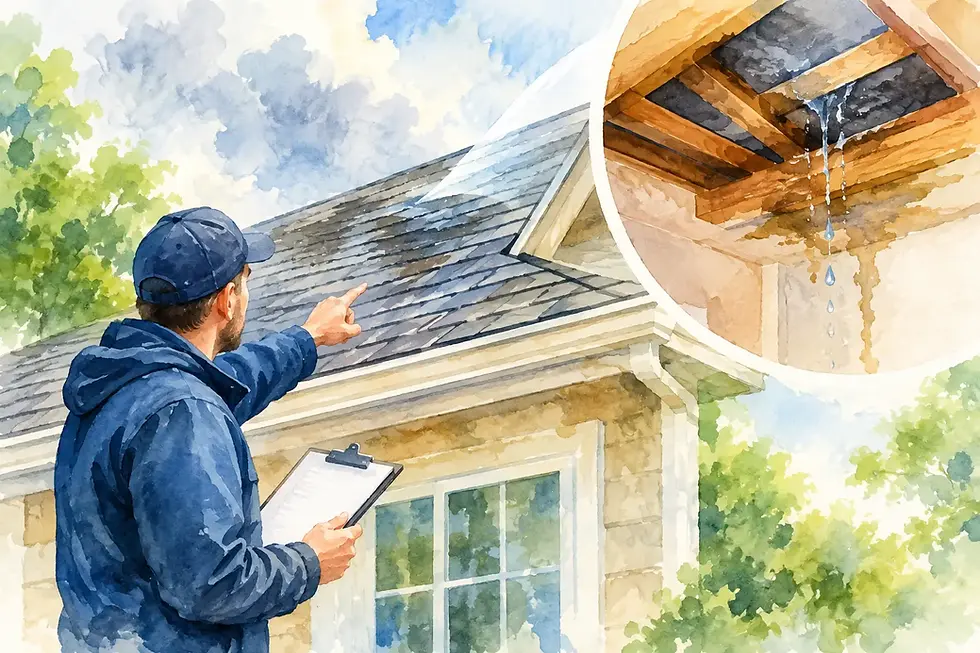
A water stain beside a skylight does not always mean the skylight glass has failed. In many Niagara homes, skylight leak causes begin higher up the roof or around the frame, where water is being directed into an opening it should never reach. Finding the true source early can mean the difference between a focused repair and damage to insulation, drywall, framing, and flooring.
Skylights bring welcome daylight into bathrooms, hallways, kitchens, and finished attic spaces. They also create a roof penetration that must be installed and maintained carefully through heavy rain, snow, ice, wind, and Ontario's freeze-thaw cycles. If you see dripping, staining, peeling paint, or moisture around a skylight, treat it as a roofing issue worth inspecting promptly.
The Most Common Skylight Leak Causes
1. Failed or incorrectly installed flashing
Flashing is the metal and membrane system that channels water around the skylight curb and back onto the roof. It is often the most likely cause of a leak, particularly on older roofs or skylights installed without the flashing kit designed for that specific unit.
Step flashing must be woven correctly with the shingles along the sides. The top of the skylight needs head flashing to shed water, while the lower edge needs an apron that sends runoff over the roof covering. If pieces are missing, bent, corroded, nailed in the wrong locations, or covered in roofing cement as a shortcut, water can work beneath them.
A flashing repair can be practical when the skylight itself is in good condition and the surrounding roof has useful life left. If shingles are brittle, lifting, or near the end of their life, repairing the skylight area alone may be a short-term answer. The roof system should be assessed as a whole.
2. Worn shingles or damaged underlayment above the skylight
Water does not always enter directly at the visible stain. A cracked shingle, nail hole, open seam, or failed underlayment above the skylight can allow water to travel downward along the roof deck until it reaches the skylight opening.
This is why a proper inspection starts above the unit, not just at its edges. Storm damage, wind-lifted shingles, ice buildup, and age-related shingle wear can all create an entry point. On a low-slope roof, slow drainage can make a small defect more noticeable during long rainfalls.
If the leak appears only after driving rain from one direction, the roof field and flashing on that side deserve close attention. A leak that happens after snow begins melting may point to ice damming or water getting behind the roof covering higher up.
3. Failed seals, cracked glazing, or an aging skylight frame
Skylights have seals around their glass or acrylic glazing. Over time, ultraviolet exposure and temperature changes can dry, shrink, or crack these seals. Older acrylic dome skylights can become brittle and may crack after impact or repeated seasonal expansion and contraction.
A failed insulated-glass seal may first show as fogging or moisture between panes. That is not always an active roof leak, but it indicates the sealed glass unit has lost its insulating performance. If the frame, cladding, or glazing is damaged, replacement is often more reliable than attempting repeated caulking repairs.
Caulk has a limited role. It can seal a small, manufacturer-approved joint, but it cannot replace a correctly flashed skylight or repair a deteriorated frame. Heavy beads of sealant around a skylight are often a sign that someone has tried to manage a larger problem from the surface.
4. Condensation mistaken for a roof leak
Not every wet skylight is leaking from outdoors. Warm indoor air carries moisture, and when it touches a cold skylight surface in winter, condensation can form. This is especially common in bathrooms, kitchens, laundry areas, and homes with high indoor humidity.
Condensation tends to appear on the inside surface of the glass or frame, often during cold weather. You may see droplets, damp trim, or mildew near the lower edge of the unit even when there has been no recent rainfall. A roof leak, by comparison, is more likely to follow rain, snowmelt, or wind-driven weather.
The remedy may involve better bathroom ventilation, consistent use of an exhaust fan, reducing indoor humidity, or improving insulation and air sealing around the skylight shaft. Still, do not assume condensation without an inspection. Wet insulation around the opening can make both condensation and a roof leak more damaging.
5. Ice dams and winter drainage problems
Niagara winters can expose weaknesses that remain hidden during warmer months. An ice dam forms when snow melts on a warmer upper roof section, then refreezes at colder lower edges. Water backs up behind that ice and can be forced under shingles and flashing.
A skylight can be particularly vulnerable because it interrupts the roof surface. Inadequate attic insulation, poor ventilation, and air leakage from the living space can contribute to uneven roof temperatures and ice buildup. Clearing snow aggressively with sharp tools or chopping ice near the skylight can cause additional damage, so this work should be handled carefully.
A contractor should look beyond the visible ice. The long-term solution may include repairing the roof covering and flashing, as well as addressing ventilation or insulation conditions that are encouraging ice dams.
6. Improper curb height or installation for the roof slope
Some skylights are designed for specific roof pitches. Installing the wrong unit on a low-slope roof, setting it directly on the deck when a curb is required, or building a curb too low can reduce the system's ability to shed water.
Flat and low-slope roof skylights need especially careful detailing. The membrane must be integrated around the curb, corners must be sealed correctly, and the curb needs enough height above the roof surface to manage standing water, snow, and drainage. What works on a steep asphalt-shingle roof may not be appropriate for a flat commercial roof or a low-slope residential addition.
This is one area where replacement can be the better investment. Correcting a design or installation problem usually requires opening the roofing materials around the skylight, not simply sealing the visible perimeter.
7. Blocked drainage channels and neglected maintenance
Certain skylight models have weep holes or drainage channels that help move small amounts of moisture outside. Dirt, leaves, roofing granules, insects, and old sealant can block these paths. Water may then overflow toward the interior.
Debris on the roof can also trap water above the skylight or in nearby valleys. Keep gutters and roof drainage areas clear where it is safe to do so, but avoid walking on a roof or dismantling skylight parts without the right equipment. A small blockage may be easy to correct, while a recurring drainage issue could reveal an installation or roof-slope concern.
How to Narrow Down the Source Safely
Start inside. Note where the moisture appears, whether it follows rain or cold weather, and whether it is on the glass, trim, ceiling, or drywall farther from the skylight. Take photos before stains dry or before a ceiling is opened for repair. This record helps identify patterns and supports a more accurate assessment.
From ground level, look for missing shingles, visible debris, damaged flashing, cracked glazing, or sagging roof areas near the skylight. Do not climb onto a wet, icy, steep, or damaged roof. The leak location may be different from the interior stain, and a close inspection requires safe access to the surrounding roofing system.
Avoid applying store-bought roof cement, foam, or tape as a permanent fix. These products can trap water, interfere with proper flashing repairs, and make later diagnosis harder. If water is actively entering, protect the room below, move belongings, and arrange an inspection as soon as conditions allow.
Repair or Replace? The Answer Depends on the Roof
A targeted repair may make sense when the skylight is relatively new, the glass and frame are sound, and the problem is limited to flashing, a localized shingle issue, or blocked drainage. Repairing the surrounding roof properly can restore the system without replacing a good-quality unit.
Replacement is often worth considering when the skylight is older, glazing is fogged or cracked, frame seals have deteriorated, or the roof is already due for replacement. Re-roofing is usually the most cost-effective time to replace an aging skylight because the shingles and flashing around it are already being removed. It also allows the new unit, underlayment, and flashing package to be integrated correctly from the start.
For Niagara property owners, a clear diagnosis matters more than a quick patch. Pro.Found Roofing can assess the skylight, surrounding roof materials, drainage, and interior signs of moisture, with owner involvement on site to help ensure the recommended work matches the actual problem.
A skylight should add light to your home, not uncertainty every time the forecast calls for rain. If you have noticed staining or moisture around yours, arrange a professional inspection and get a detailed, affordable quote before a small opening becomes a larger repair.


Comments